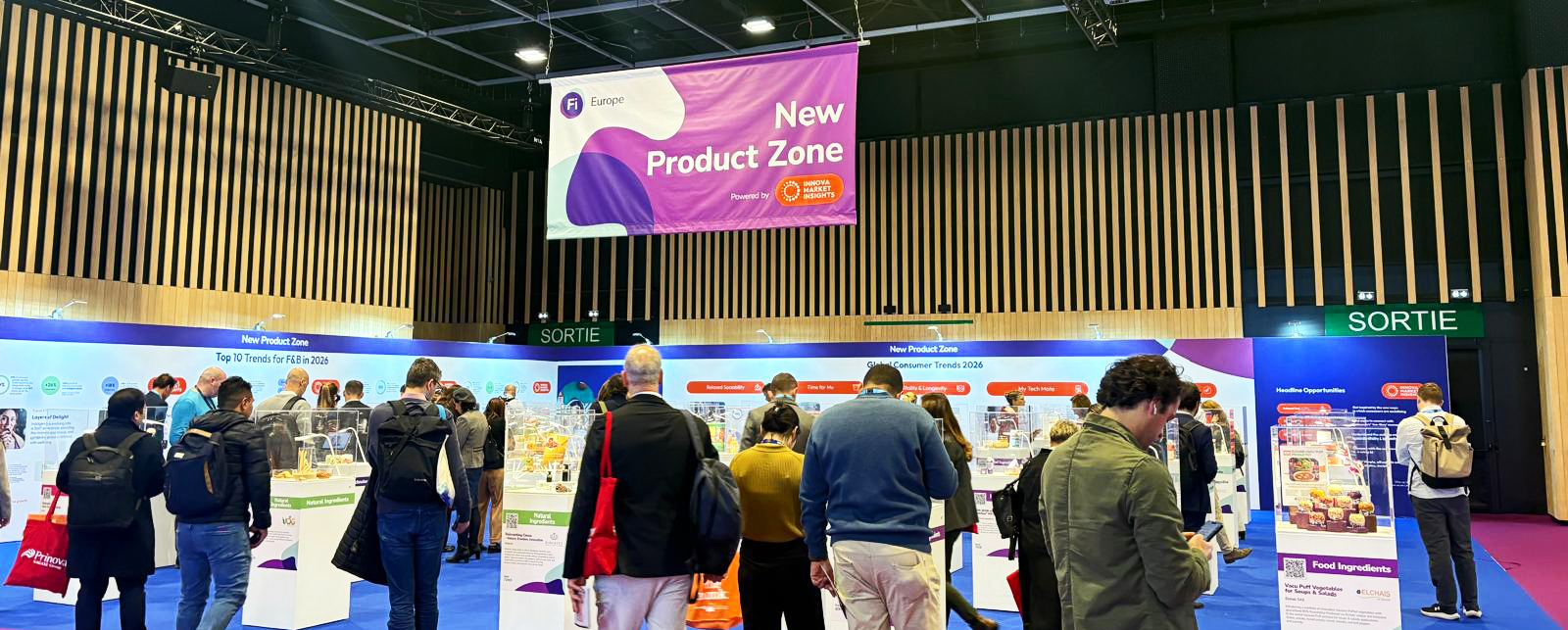
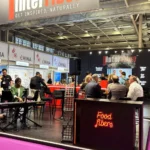
Trade shows have long provided an important platform for B2B businesses to showcase their products and services. But, in a post-pandemic world, do traditional event formats still meet the demands of today’s audiences – or do they need to adapt? Our team recently travelled to Paris for Fi Europe, the leading global food ingredients event. Beyond the bustling exhibition halls and inspiring theatre presentations, something else stood out – the sense of community. Fi Europe didn’t just feel busy or impressive – it felt connected. And that shift holds valuable lessons for both event organisers and B2B brands alike.
Supporting community and innovation at Fi Europe
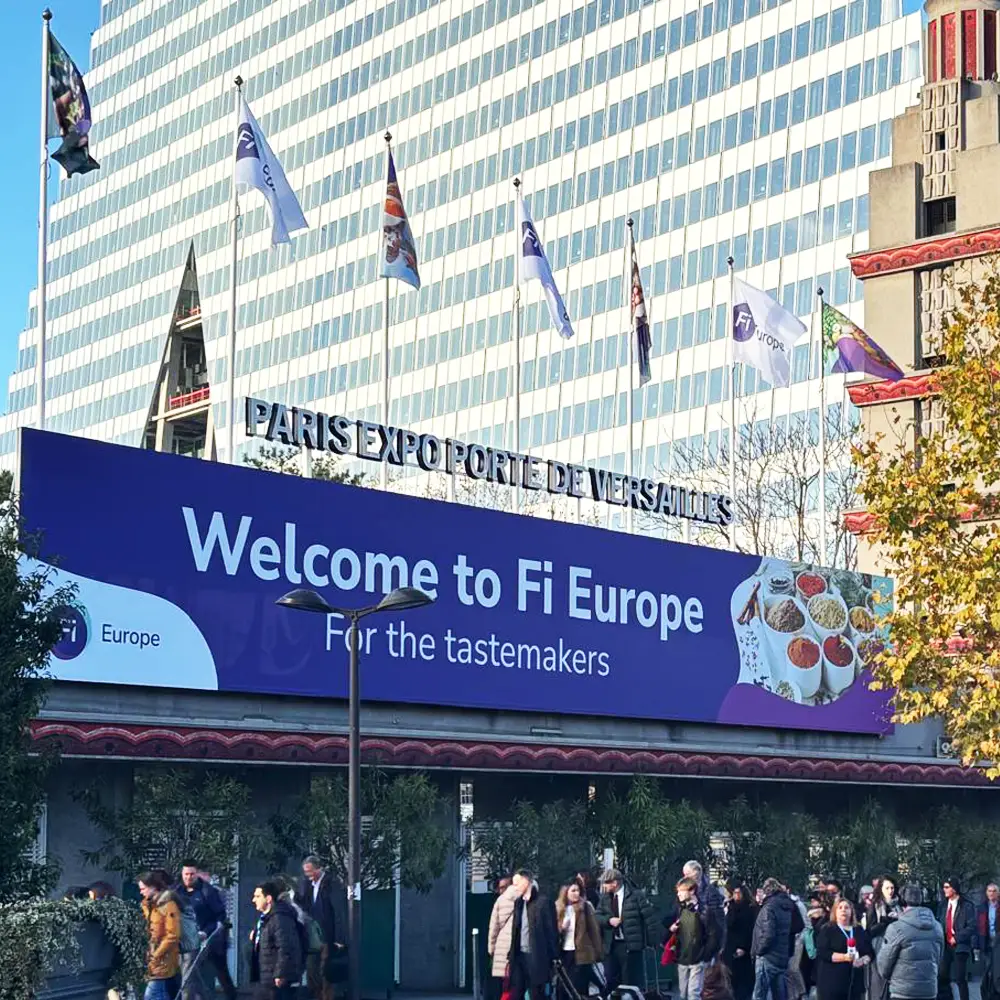
Celebrating its 30th edition, Fi Europe 2025 attracted its biggest audience yet – with nearly 25,000 attendees from over 130 countries. The growing number of visitors is a testament to the quality of the event – but also to the value people place on in-person interaction, often travelling significant distances to attend. Since the pandemic, there’s a renewed appetite for human connection and peer-to-peer learning, especially as many industries are navigating seismic changes linked to AI adoption and mounting sustainability pressures. That desire for connection is exactly why we wanted to host a roundtable dinner at Fi Europe, bringing together B2B marketers from around the world to discuss challenges we’re all facing – and the opportunities they present. The conversations that took place reminded us of just how much we can learn from our industry peers.
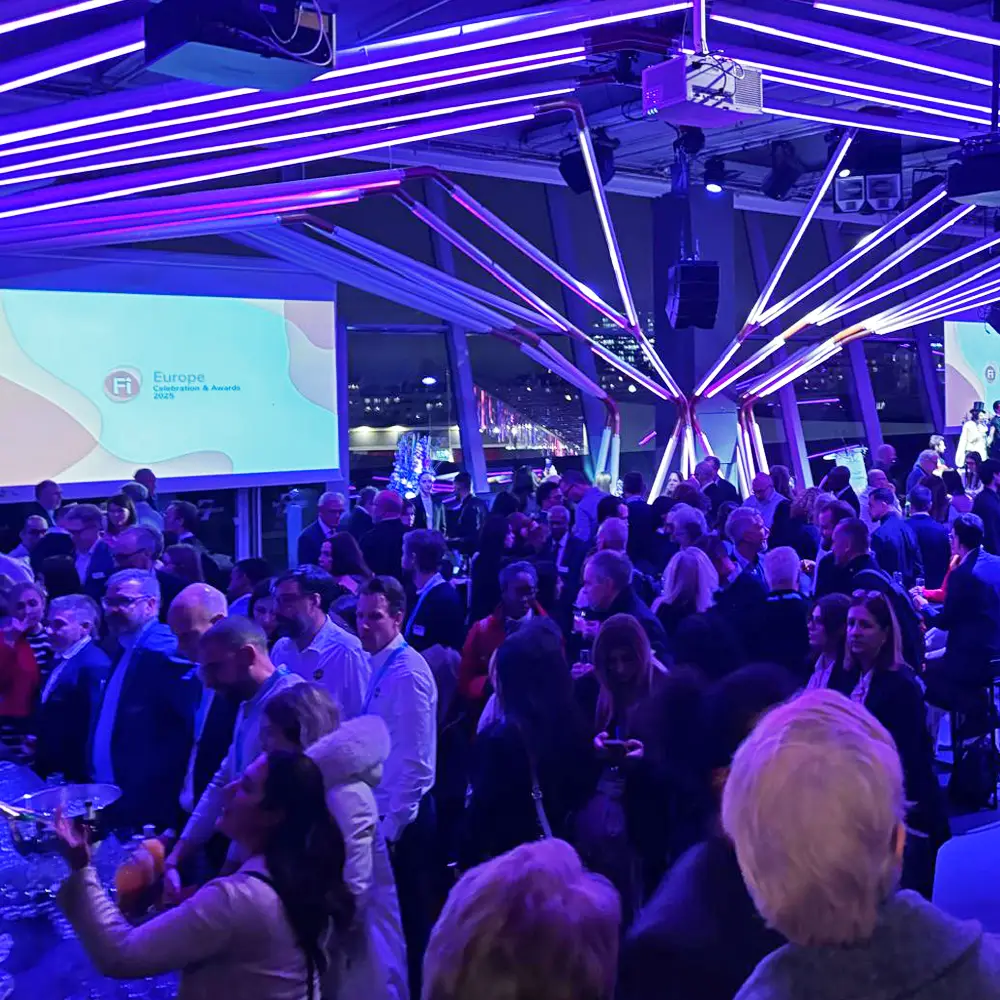
Fi Europe intentionally fostered this community spirit throughout the show. The Community Hub, for example, provided a dedicated space for specific industry groups to come together, exchange ideas and share knowledge through presentations and informal discussion. Similarly, events such as the women’s breakfast and the inaugural pet nutrition networking session created forums where professionals with common interests could connect in a more relaxed, meaningful way. Crucially, these weren’t just social occasions. These events were designed to encourage conversations that would lay the groundwork for ongoing collaboration and future innovation – demonstrating how community-led discussion can drive progress, as the industry works towards shared goals like creating more sustainable food systems. So, what were the topics that we heard being spoken about at Fi Europe 2025?
The trends that caught our attention
- Food and nutrition as one
As health remains top of mind for many, the lines between food and nutrition continue to blur. Consumers are increasingly turning to functional food and beverage products to support their specific health needs and trends that started in the supplement market are now big news in food too. An obvious example at Fi Europe was the topic of healthy ageing, with terms like ‘longevity’ and ‘healthspan’ featuring heavily. But a panel discussion revealed that there’s still substantial opportunity for brands to be more specific and strategic in this space.
The insight that resonated with us most was that longevity means different things at different life stages. Younger adults in their 20s through 40s are most interested in prevention and appearance, while midlife consumers prioritise healthspan and disease prevention and older adults focus on managing age-related conditions and maintaining independence. A one-size-fits-all approach misses the mark. The panellists concluded the discussion by highlighting that healthy ageing isn’t driven by a single ‘magic’ ingredient, but by combinations of validated nutrients supported by simple, easy-to-understand messaging on who the product is for and the specific benefits it provides. This reinforces the growing need for brands to bridge food and nutrition in a way that feels both credible and accessible.
- Technology and AI
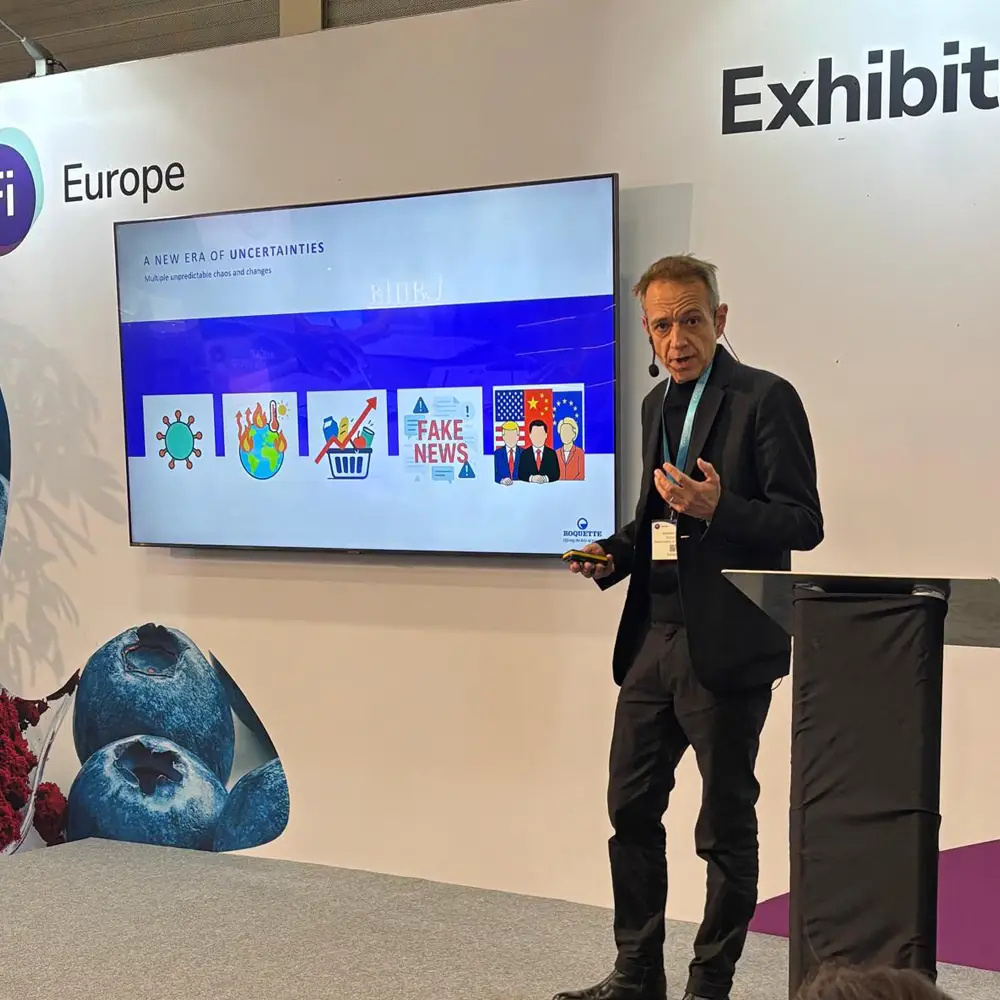
Discussions around technology and AI painted an exciting picture in Paris: quantum computing, large language models and agentic AI are already transforming both formulation and reformulation in the food industry, with broader potential uses in quality assurance and beyond. But the consensus remains – technology must augment human expertise, not replace it.
We continued this conversation at our roundtable dinner – but through a marketing lens. Many participants shared examples of how they’re incorporating AI into their daily workflows, and how this gives them more time to focus on what matters most, such as strategic ideation. We also identified a need to rethink marketing strategies as AI changes buying behaviours. In fact, while 90% of B2B buyers now use AI tools like ChatGPT in their vendor research, only 11% of B2B marketers have prepared their content for AI discovery.i,ii As AI-driven ‘zero-click’ search starts to replace traditional SEO, becoming a topical authority through consistent, coherent insights is more essential than ever.
- Building resilient food systems
Creating sustainable food systems cannot be achieved by a single organisation alone – it’s a shared responsibility. Fi Europe reinforced this through sustainability-focused innovation tours, panel discussions, a networking lunch and an interactive workshop dedicated to building resilience across the food system. For brands operating in this space, sustainability can no longer be treated as a secondary message. Transparent communication around sustainability efforts is vital – not only to meet regulatory and consumer expectations, but to build trust and long-term value.




Key takeaways for B2B brands
The shift toward community-centred trade shows reflects a broader transformation in B2B marketing. Here’s how brands can adapt:
- Show up as a solutions provider, not just an ingredients supplier. Lead with how your brand can solve specific challenges, including in collaboration with other partners, rather than simply promoting products.
- Invest in human connection. Create physical and digital spaces where your audiences can engage around shared opportunities. The brands that stood out at Fi Europe weren’t necessarily the ones with the biggest booths, but the ones facilitating the most meaningful interactions.
- Embrace AI as both a tool and an audience. With buyers increasingly using AI in their research, your content must be discoverable. But AI adoption shouldn’t stop there. Leading brands are using AI to work smarter internally (automating routine tasks) while maintaining the human voice that helps build trust, such as through original research, case studies and employee-generated insights.
- Build trust through authentic community engagement. In an AI-first world, B2B buyers still rely heavily on human validation. Develop content they trust through peer reviews, testimonials, analyst reports, and expert-led assets.
Personal connection is more important than ever
Our propriety research highlights that personal connection remains essential in the B2B food and nutrition space, with 88% of marketers using face-to-face meetings in the past 12 months and 28% planning to increase their use. Additionally, 60% of respondents agreed that relationships are often more important than marketing communications when it comes to developing business. Fi Europe reflected this reality.
As trade shows evolve, their value lies less in what’s on display and more in what’s exchanged – ideas, experience and trust. Therefore, events that can support community engagement will succeed, and for B2B brands, success will come from making meaningful connections that fuel innovation and ultimately, commerce.
For more insights on how B2B food and nutrition brands can build smarter and more strategic marketing communications, take a look inside our Food & Nutrition B2B Marketing Benchmark report.