
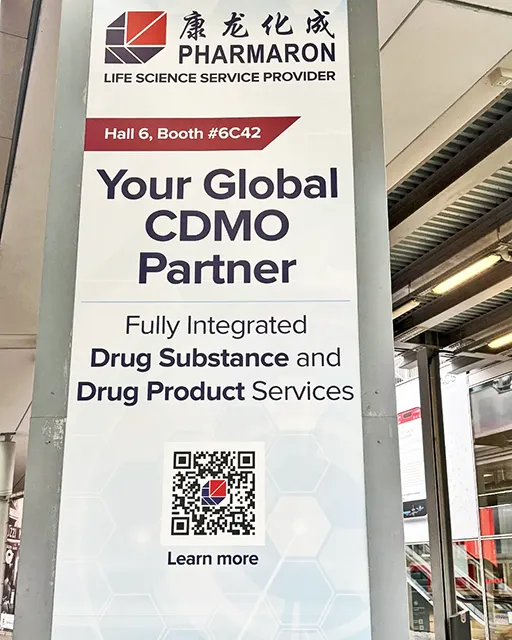
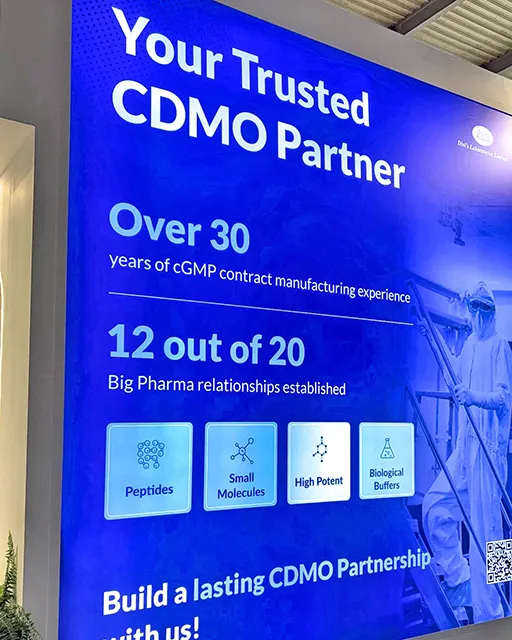
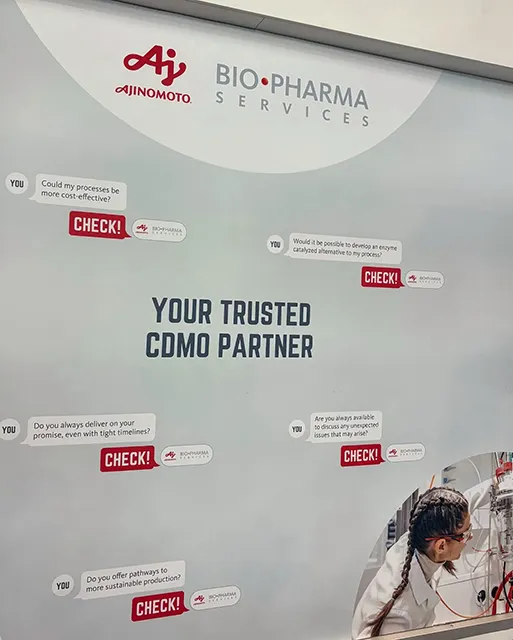
Walk through any hall at this year’s CPHI Milan and one word appears again and again: partnership.
Across APIs and excipients, contract services, packaging, machinery, drug delivery and finished dose, companies position themselves as trusted, strategic or innovation partners. Nobody wants to be seen as simply another supplier.
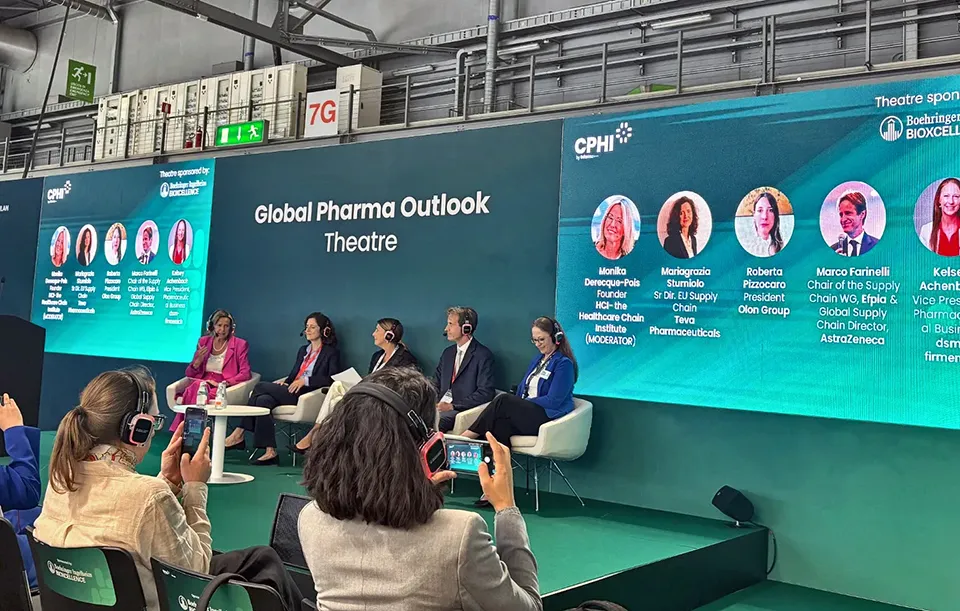
At the show, presentations that BDB attended highlighted that the pharma industry is facing uncertainty from all angles. The challenges differ across the market, but the conclusion is similar: making the right decisions is not getting easier.
When customers are navigating change, relationships they can rely on become more valuable. But partnership is not simply a sales or account management responsibility. It is something a business needs to demonstrate consistently through the expertise, insight and communication it provides. So, if long-term partnership is the objective, why does so much marketing activity stop once the customer is won?
Uncertainty makes strong relationships more valuable
Across the pharmaceutical supply chain, decisions are being made against a backdrop of changing regulations, geopolitical uncertainty, cost pressure, new science and evolving patient expectations.
Science, price and capabilities of course still matter. But when circumstances change, other questions become important too. Can we rely on this supplier? Does it understand the challenges we are up against? Will it communicate openly? Can it bring useful expertise to the table?
How a supplier responds when things don’t go to plan is the real test of a partnership. Marketing cannot create trust on its own, but it can help build the conditions for it: ensuring customers have access to relevant expertise, creating structured ways to listen, and supporting clear communication when circumstances change.
Winning the customer is not the end of the funnel
Most B2B marketing models emphasise acquisition. We build awareness, generate engagement, capture leads, support sales and, ideally, win the customer. Then attention turns to finding the next one.
Yet across much of pharma, a customer relationship can extend over many years. Rather than treating the customer as the end of the funnel, businesses need to think about what comes next: how they can develop that relationship over time, become a valued strategic partner and ultimately, earn their advocacy. Marketing has an important role throughout that journey.
In long-term B2B relationships, the value of marketing is therefore not limited to creating the initial opportunity. It can also help protect, deepen and expand the value of relationships that already exist. There are four areas where pharma marketers can put this into practice.
- Turn expertise into customer value
In the CDMO space, a recurring theme at CPHI Milan was the importance of specialist manufacturing expertise as innovation becomes more complex, and technical and regulatory requirements place greater emphasis on the knowledge a partner brings.
The same principle extends far beyond manufacturing. Across CPHI Milan, companies possess expertise in formulation, APIs, engineering, packaging, drug delivery, regulatory science and analytical services. Marketing teams use it to attract prospects through articles, webinars and conference presentations. But why should new leads get all the good stuff?
For customers, access to that expertise can also be extremely valuable. That means thinking beyond lead generation content and asking how the same expertise could help existing customers solve problems, anticipate change or make better decisions.

- Build relationships on insight, not assumptions
Customers do not always see a supplier as the supplier sees itself. A company may consider itself a global business with an extensive portfolio. A customer might think of it simply as the entity they buy a single product from.
Marketing and commercial teams can work together to understand customers better, but this should not become cross-selling with a different name. The distinction is important: supplier-led marketing starts with what the business wants to sell; partnership-led marketing starts with what the customer needs.
Partnerships are not built through one-way communication. Customer interviews, advisory boards, account-based research and structured feedback can reveal why customers choose an organisation, what they value and which challenges are emerging. The objective should be an ongoing cycle of listening, understanding, responding and communicating.
- Communicate clearly through change
One tension raised at CPHI Milan concerned flexibility. Customers want suppliers to be responsive, but pharmaceutical businesses operate within technical, commercial and regulatory realities that limit what can change quickly.
Partnership is not about saying yes to everything. Sometimes it means explaining what is not possible and working together on the best alternative. That matters when supply problems emerge, timelines move or new regulations create unexpected challenges.
Marketing will not solve those issues, but it can help organisations communicate through them: translating complex developments into clear customer communication, ensuring messages are consistent across teams and channels, and helping customers understand not only what has changed, but what it means. Being open about problems and clear about what happens next can help bolster the trust a supplier has built.
- Build advocacy through strong relationships
Strong relationships produce the stories prospects want to hear. They can also create customers who are willing to participate in (anonymised) case studies, offer testimonials or advocate for a valued partner.
Almost any business can call itself a trusted partner. It is more powerful when a customer demonstrates that it is true. Customer marketing and acquisition marketing are not competing priorities. Done well, one fuels the other.
Don’t just win customers. Give them reasons to stay
CPHI Milan 2026 reinforced how much uncertainty pharma continues to navigate. In that context, trusted relationships matter. Yet while businesses across the supply chain talk about long-term partnerships, marketing remains heavily weighted towards the beginning of the customer relationship.
It is time to broaden the brief. Marketing should help generate opportunities and win new customers. But it can also help businesses understand existing customers, demonstrate ongoing value and communicate through uncertainty.
If partnership is going to be more than a word on an exhibition stand, brands need to think about how they prove it throughout the customer relationship. The question for pharma marketers is not simply: how are we helping the business win its next customer? It is also: what are we doing to make the customers we have already worked so hard to win never want to leave?